Veterinary Research
Expanding ArtCart+ cartilage regeneration therapy to benefit horses and large animals.
About This Research
Joint injuries and arthritis affect large animals similar to how they affect people, causing pain, limiting movement, and accelerating the loss of healthy joint function.
SRF is applying our three decades of human cartilage-repair research to veterinary medicine. By extending the established ArtCart findings to horses, dogs, and other large animals, we hope to provide better treatment options that preserve mobility and relieve the suffering of veterinary patients while simultaneously progressing regenerative orthopaedics. These animals are partners, athletes, and family members who deserve access to the same regenerative solutions we offer human patients.
The study design creates a two-way path for progress, allowing the introduction of the therapy into veterinary medicine while helping to define ArtCart+, a major advance over the original ArtCart that makes the procedure even more effective, reproducible, and accessible for future human care.
ArtCart+ in Veterinary Medicine
This video highlights our equine study with Colorado State University’s Translational Medicine Institute, where we’re optimizing the Articular Cartilage Paste Graft into its next-generation technique, ArtCart+. The work explores ways to further improve cartilage regeneration and expand access to treatment, supporting the path toward veterinary regulatory approval and future human clinical trials.
Current Research
SRF is building on ArtCart’s long-term clinical success by developing ArtCart+, a major advance intended to make cartilage regeneration more effective, reproducible, and accessible to more patients. The study is being conducted in an equine model to help deliver the procedure to veterinary medicine and lay the groundwork for human regulatory approval.
The proposed enhancements add an adhesive agent and mesenchymal stromal cells (MSCs) to the original paste graft, with the goal of augmenting cartilage regeneration and improving graft attachment to surrounding tissue while preserving the advantages of a minimally invasive, single-step procedure.
Horses are widely regarded as the “gold-standard” model for translational cartilage repair research because their joints share important anatomical, biological, and mechanical characteristics with human joints and are subjected to substantial weight-bearing forces.
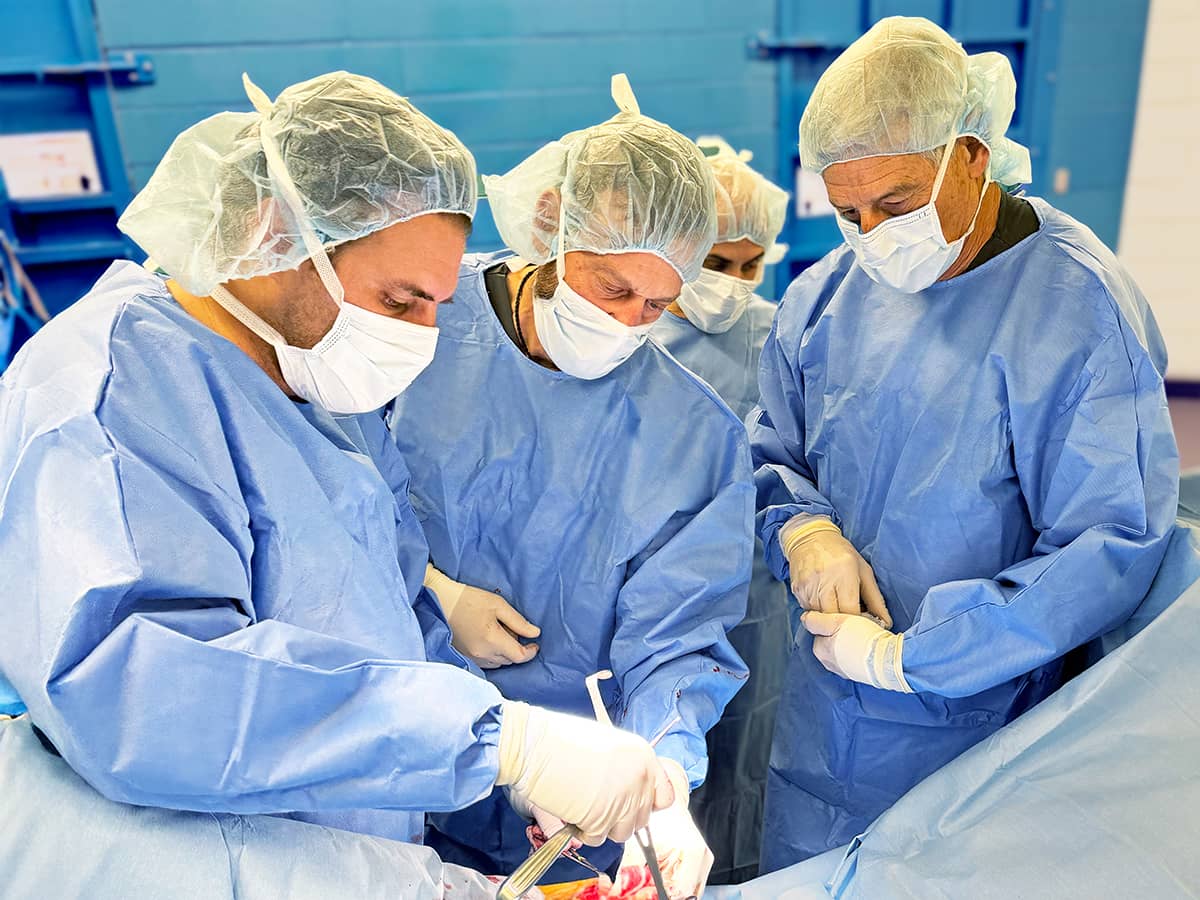
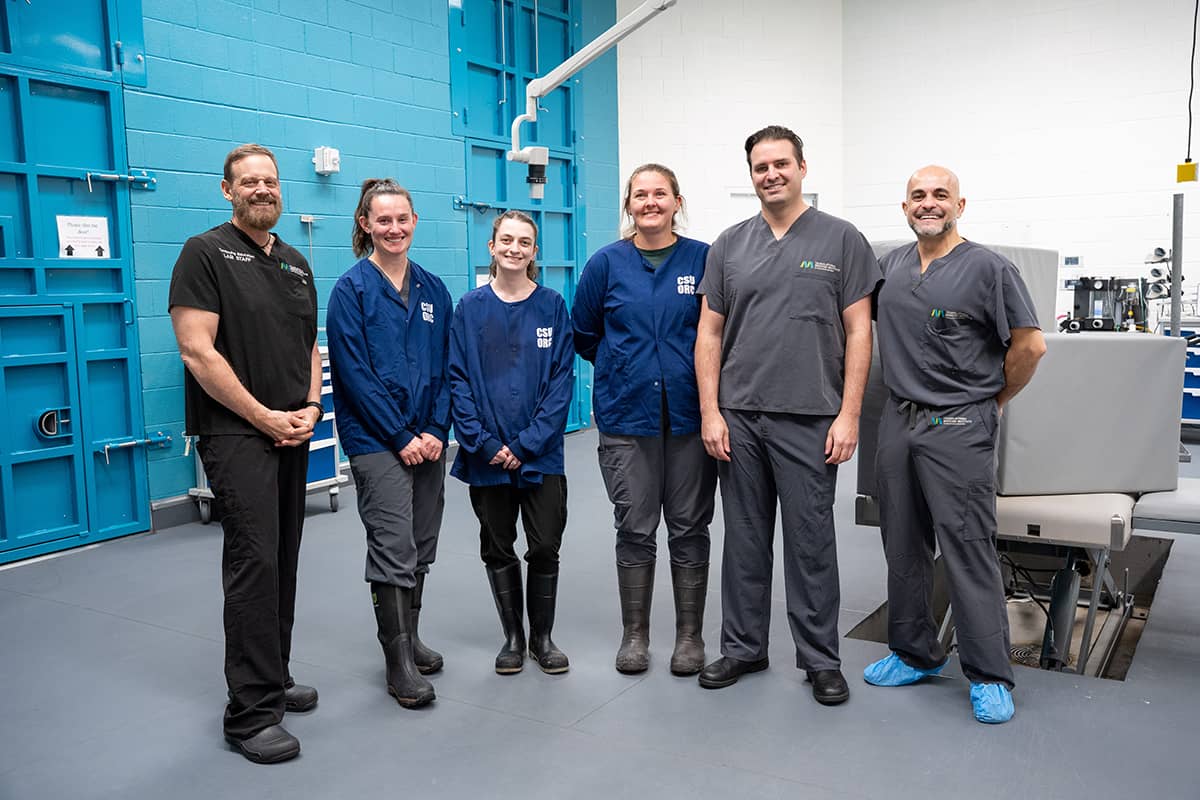
SRF is leading this research with veterinary surgeons and collaborators Drs. David Frisbie, Brad Nelson, Katie Seabaugh, and Laurie Goodrich at Colorado State University (CSU). Together, the team is evaluating the enhanced graft in equine joints, optimizing the procedure for veterinary application, and finalizing the lead therapeutic approach that will define ArtCart+.
The findings are intended to support wider use of regenerative cartilage repair in veterinary medicine while strengthening the pathway toward future human clinical trials.
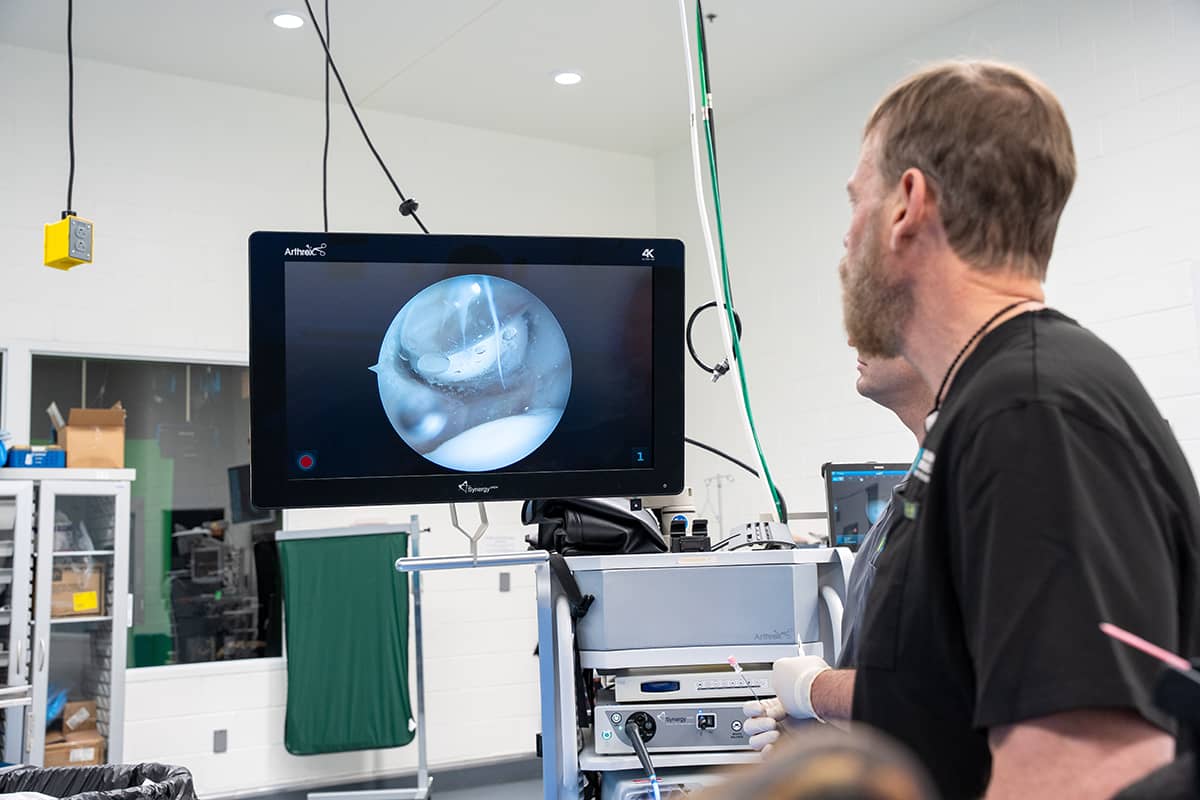
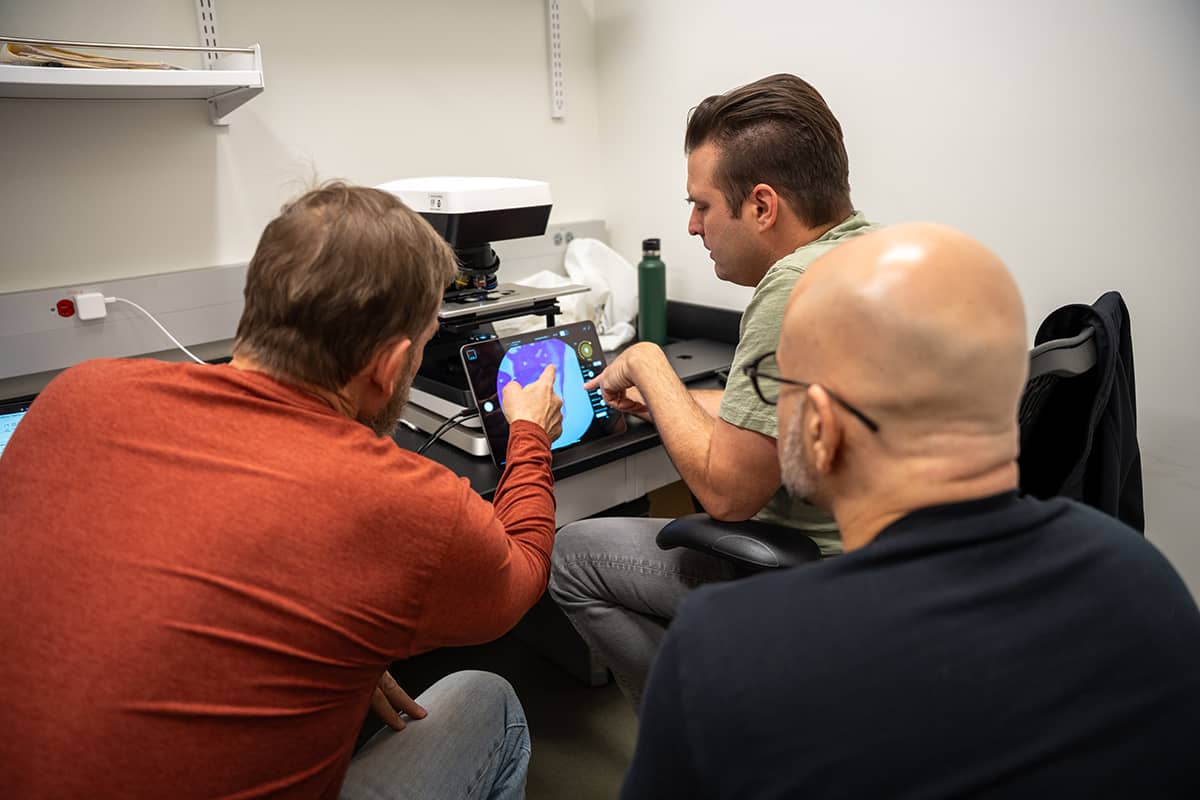
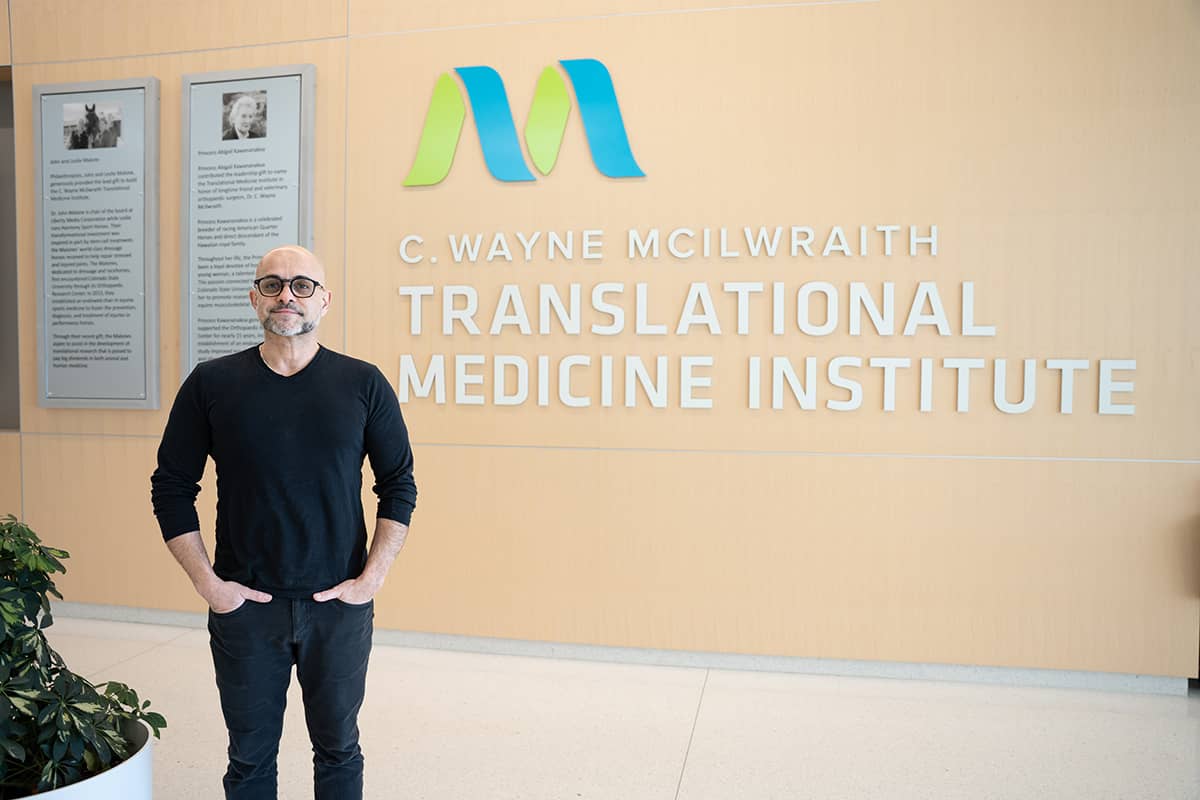
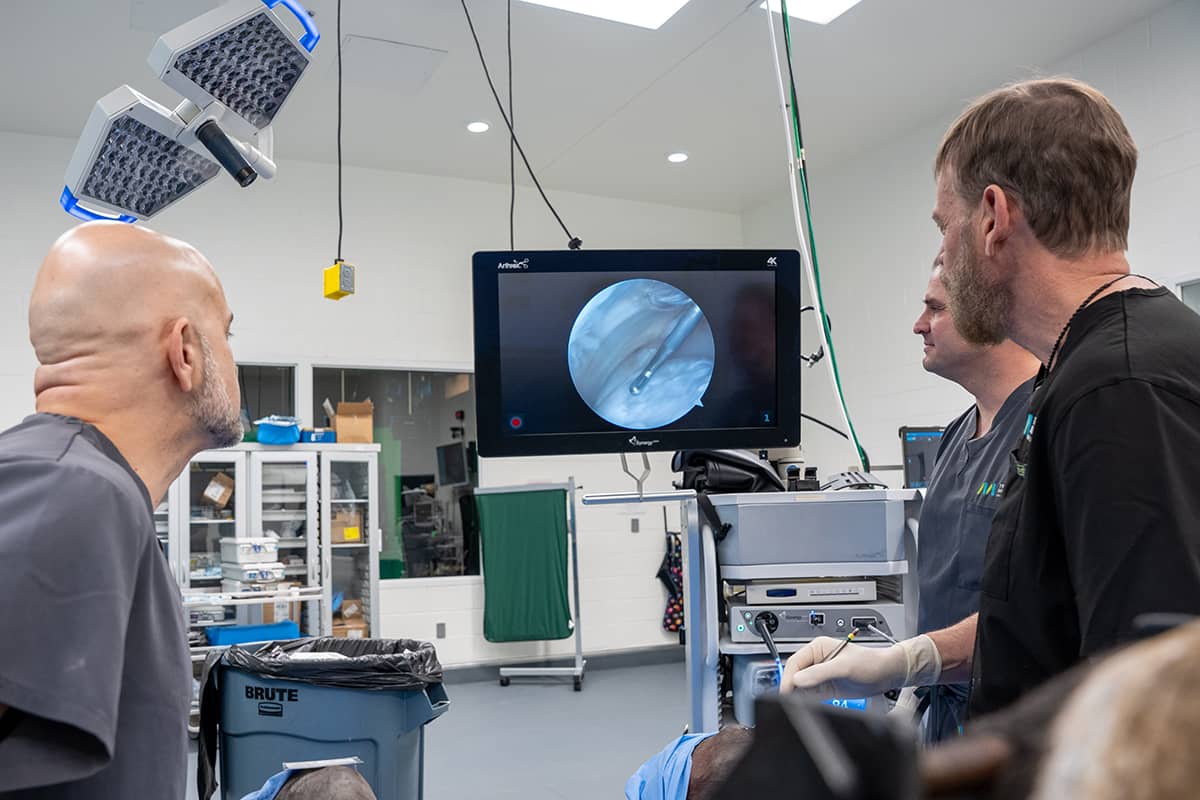
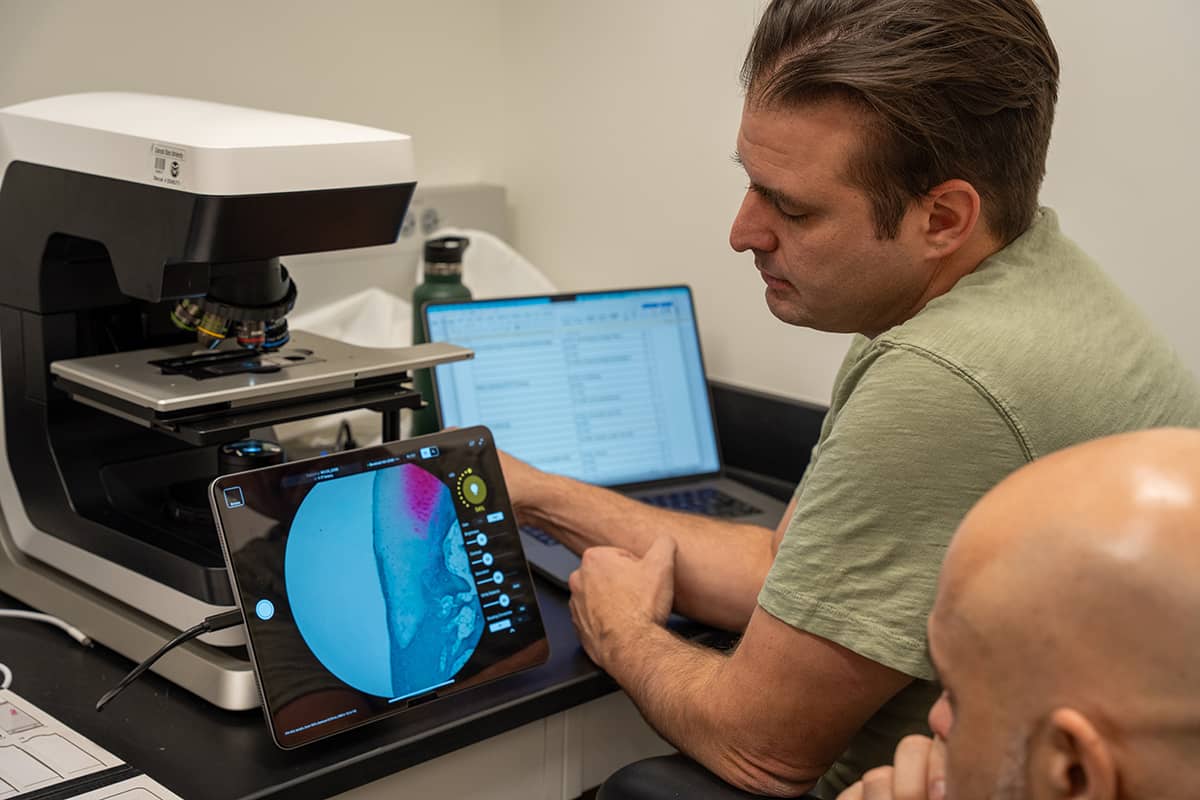
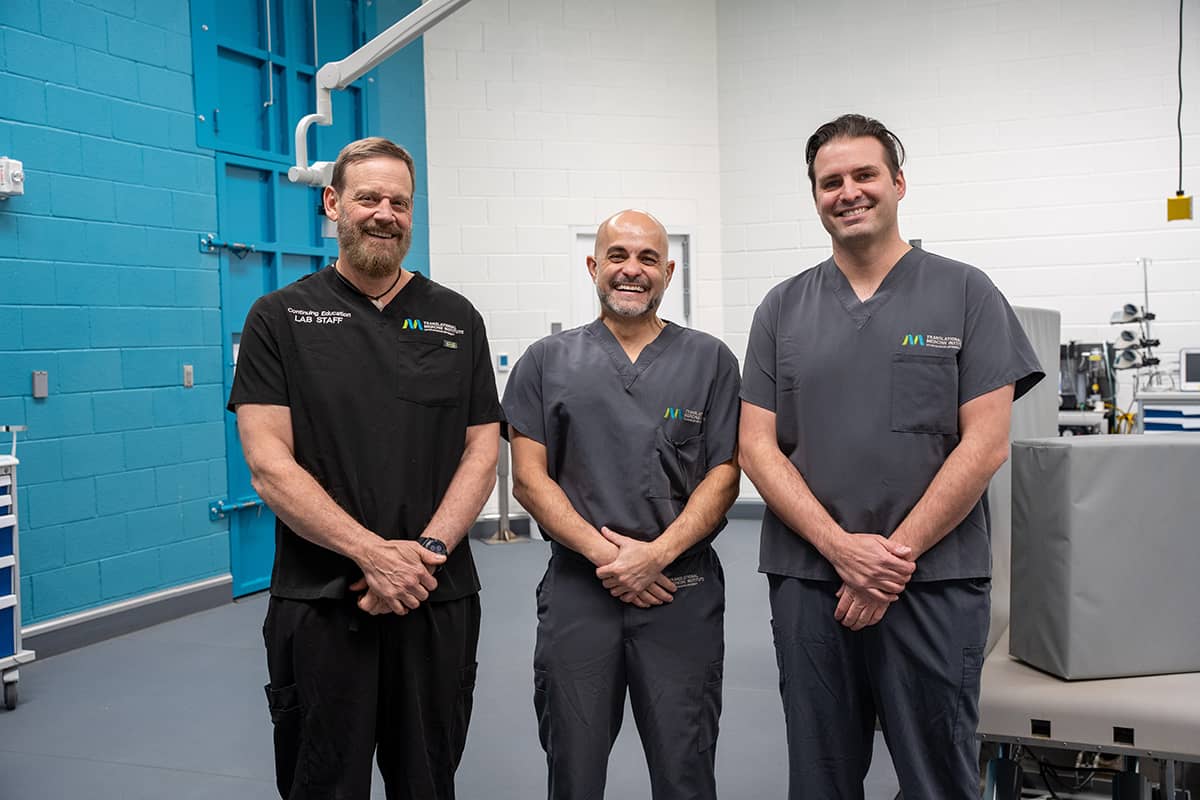
Inside the ArtCart+ Equine Study
Published Studies
Our veterinary protocols are informed by decades of human clinical research. Key foundational studies include:
Articular Cartilage Paste Graft Studies
10- to 23-year follow-up demonstrating 19.1 years median benefit time and 85.6% success rate.
Key Finding: Long-term cartilage regeneration success validates foundation for veterinary applications.
All SRF Published Research
16 peer-reviewed studies spanning 27+ years of orthopaedic research in biologic joint repair.
Explore: Complete library of cartilage, meniscus, ligament, and injection therapy research.
For Clinicians
Discover how you can implement ArtCart+ in your clinic. Learn about training, protocols, and how to get started
Find Out NowFor Equine Owners
Find out how ArtCart+ can improve the quality of your equine patient's life. Learn about innovative treatment options for your horse.
Find Out NowSupport Veterinary Research
Your donation helps accelerate ArtCart+ toward the clinic-bringing regenerative cartilage therapy to horses and other large animals.